
Understanding the Precision of Modern Orthodontic Space Creation
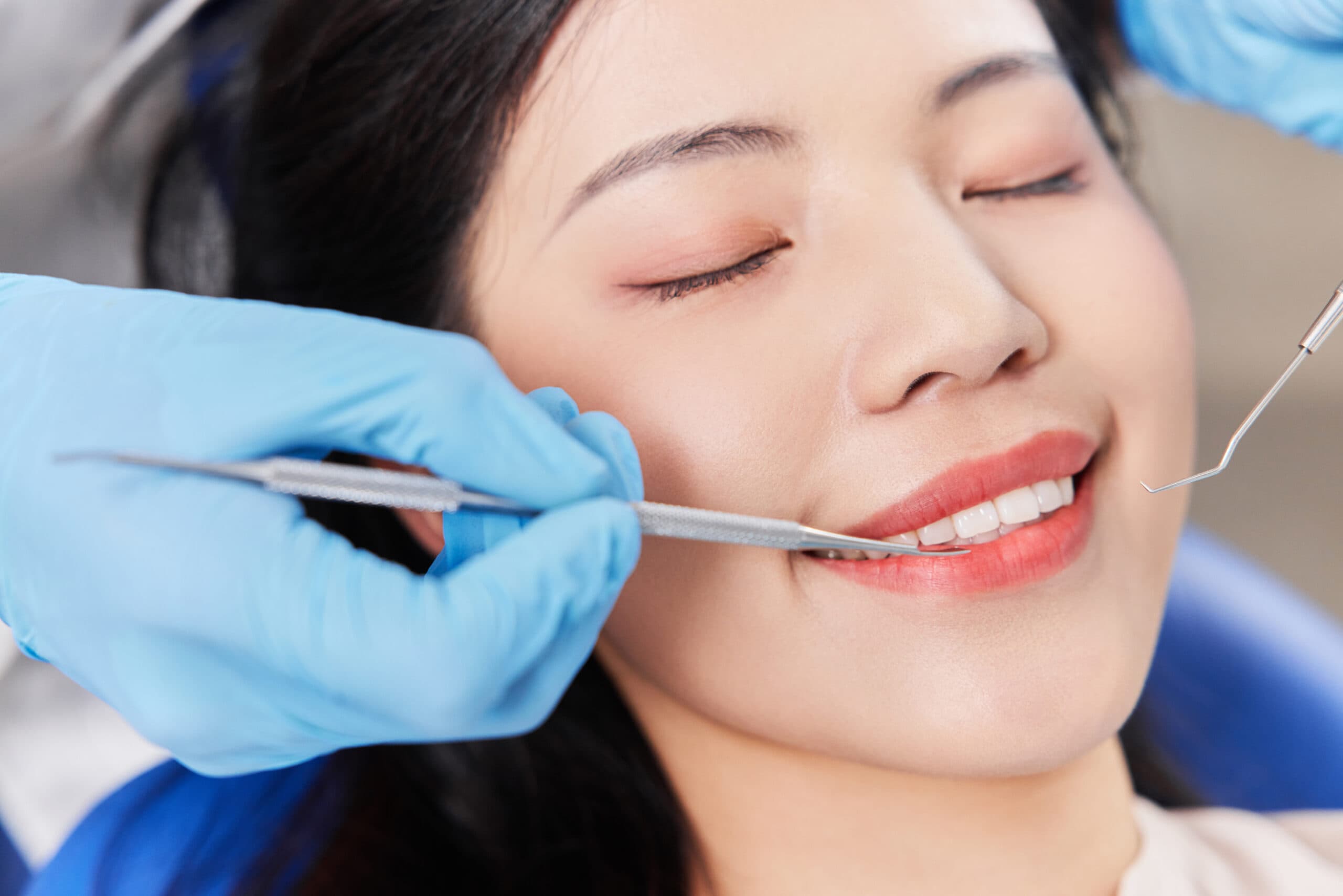
Orthodontic treatment has evolved considerably over recent decades, offering patients increasingly sophisticated methods to achieve perfectly aligned smiles. One technique that exemplifies this advancement is interproximal reduction, commonly known as IPR or tooth stripping. This procedure involves the careful removal of minute quantities of enamel from between teeth to create the necessary space for optimal alignment. Far from being a crude or damaging process, IPR represents a refined approach that allows an orthodontist in London to work with exceptional precision, often removing less than half a millimetre of enamel whilst maintaining the structural integrity and health of the teeth.
The concept behind interproximal reduction is elegantly simple yet requires considerable skill to execute properly. When teeth are crowded or misaligned, the available space within the dental arch may be insufficient to accommodate all teeth in their ideal positions. Rather than resorting to extractions or extensive arch expansion, interproximal reduction offers a conservative alternative that preserves natural tooth structure whilst facilitating movement. The procedure typically removes between 0.2 and 0.5 millimetres of enamel from specific contact points, creating cumulative space that can make a substantial difference to the final outcome.
The Scientific Foundation Behind Enamel Reduction
Human tooth enamel is the hardest substance in the body, yet it exists in varying thicknesses across different surfaces. Research indicates that the enamel layer between teeth typically measures between 1.5 and 2.5 millimetres in thickness, providing ample margin for safe reduction. When performed correctly, IPR removes only the outermost portion of this protective layer, leaving sufficient enamel to maintain tooth strength and resist decay. The procedure must be undertaken by a qualified orthodontist or elsewhere who understands the anatomical limits and possesses the technical expertise to work within safe parameters.
Methods and Instruments Used in IPR Procedures
Modern orthodontic practices employ several different instruments to perform interproximal reduction, each suited to particular clinical situations. The most commonly used tools include diamond-coated strips, oscillating burs, and disc systems. Diamond strips offer manual control and are particularly useful for fine adjustments, whilst rotary instruments allow for more efficient reduction when greater space creation is required. Each method requires careful calibration and measurement to ensure precise removal of enamel without exceeding safe limits.
The Role of Precision Measurement in Safe Enamel Removal
Accuracy remains paramount throughout the IPR process, with orthodontists employing specialised gauges and digital callipers to measure the exact amount of enamel removed. These instruments allow practitioners to work in increments as small as 0.1 millimetres, ensuring that reduction remains within conservative limits. Before commencing any enamel removal, comprehensive assessment of tooth morphology and enamel thickness takes place, often supported by radiographic imaging. This meticulous planning ensures that each patient receives treatment tailored to their unique dental anatomy whilst maintaining appropriate safety margins throughout the procedure.
Clinical Applications and Treatment Planning Considerations
Interproximal reduction serves multiple purposes within comprehensive orthodontic treatment plans. Beyond simply creating space for alignment, IPR can improve the shape and proportion of teeth, enhance contact points between adjacent teeth, and contribute to better long-term stability of results. Studies examining the effectiveness of IPR techniques have demonstrated favourable outcomes when the procedure is incorporated into well-designed treatment protocols. The technique proves particularly valuable in cases of mild to moderate crowding where extraction would be excessive, and in situations requiring minor adjustments to tooth width ratios.
The timing of IPR within the treatment sequence varies according to individual circumstances. Some orthodontists prefer to perform reduction early in treatment to facilitate initial alignment, whilst others reserve the technique for later stages to refine positioning and optimise final contact points. Sequential IPR, performed in stages throughout treatment, allows for responsive adjustments as teeth move into their planned positions. This flexibility makes the technique adaptable to various orthodontic systems, including traditional braces and clear aligner therapy.
Patient Experience and Post-Procedure Care
For patients, the IPR procedure typically proves straightforward and comfortable. Most individuals experience minimal sensitivity, and any discomfort usually resolves within hours. Following enamel reduction, fluoride application helps to remineralise treated surfaces and strengthen the remaining enamel. Patients can watch educational videos about the IPR process to better understand what to expect during their appointment. Maintaining excellent oral hygiene remains essential, as newly created spaces between teeth require thorough cleaning to prevent plaque accumulation.
Achieving Optimal Results Through Expert Application
Interproximal reduction exemplifies how modern orthodontics combines scientific understanding with technical precision to deliver conservative, effective treatment outcomes. When performed by experienced practitioners, this technique offers a valuable tool for creating space without compromising dental health or aesthetics. The careful removal of microscopic enamel layers represents just one aspect of the sophisticated approach that characterises contemporary orthodontic care, enabling patients to achieve beautifully aligned smiles through minimally invasive methods.